








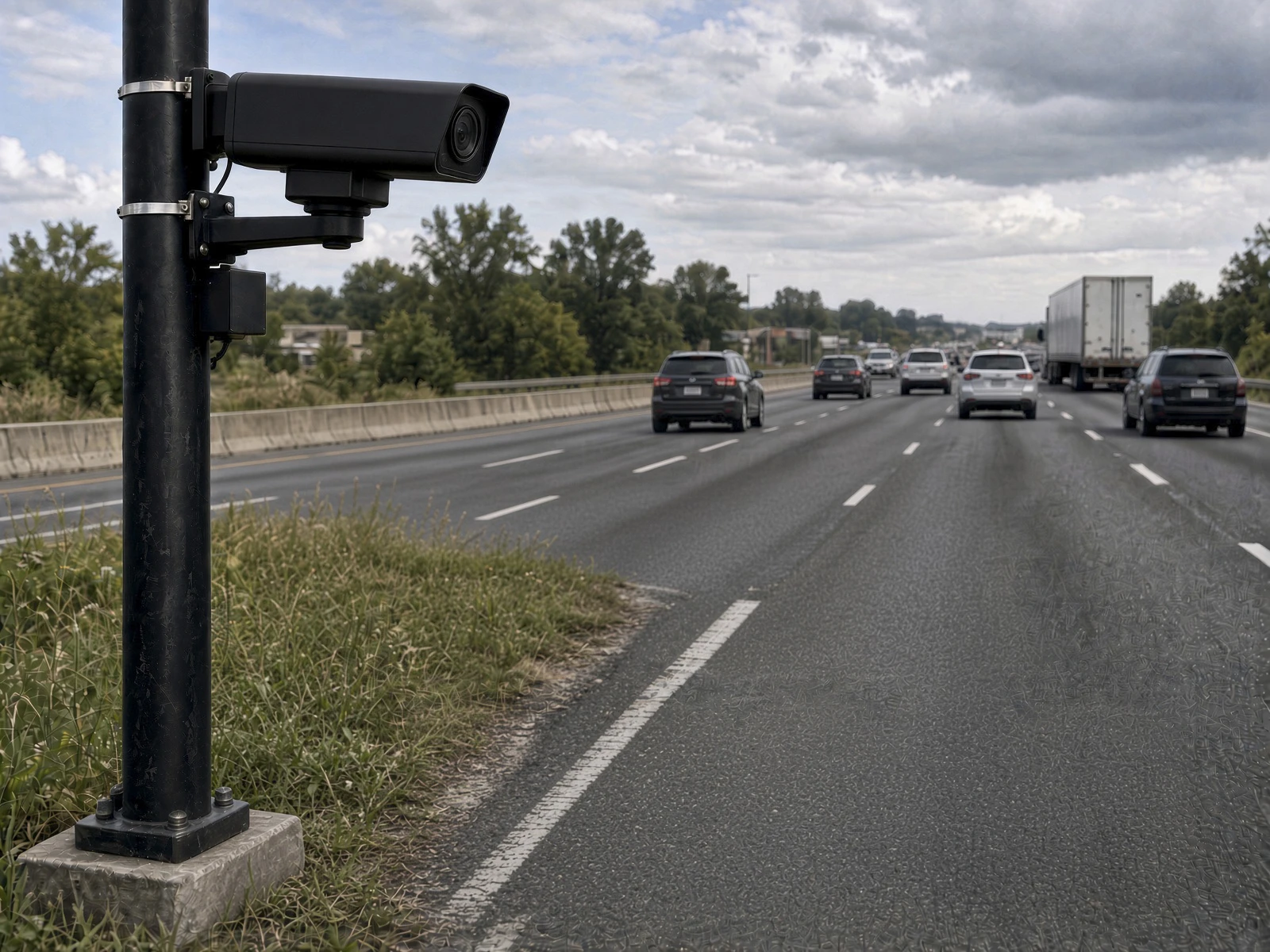
MONROE, Ohio — Monroe City Council voted
5-0 Tuesday to stop using Flock Safety license-plate cameras, end the city’s contract when it legally can, and bar new spending on the system. The Ordinance directs the city manager to send Flock written notice of non-renewal, deactivate cameras in Monroe as soon as practical, stop collecting new vehicle data, and cut off the city’s access to the Flock platform. The ordinance also forbids future appropriations for Flock cameras, software, leases, maintenance, or similar services. Council first approved 23 Flock cameras in April 2024. A July 2024 amendment added $2,200 for two stand-alone poles. The contract runs 24 months and renews automatically unless the city gives at least 30 days’ notice. The ordinance takes effect immediately. It says the city must not break the existing contract and must end the agreement at the earliest lawful date. Mayor Keith Funk and Vice Mayor Christina McElfresh were absent. Voting yes were Council members Michael Graves, Todd Hickman, Tom Hagedorn, Jordan Brown, and Molly Cloyd. Residents split over privacy and public safety. Deborah Ridenour, a 20-year military veteran, urged Council to shut the cameras off. She said she took an oath to defend the Fourth Amendment and called the cameras a “digital dragnet” residents never consented to. Another veteran, speaking for the first time at Council, asked members to keep the cameras. He said they help solve crimes around the clock, deter offenders, and cost less than hiring more officers. He argued there is no reasonable expectation of privacy for a license plate on a public road and asked Council to put the question on the ballot if members were unsure.
Brian Curlis, a Monroe resident since 1999 and also a veteran, said public safety is a core job of local government. He cited Ohio Attorney General comments that license-plate readers help find violent criminals and missing children, and he said Monroe’s police chief previously told Council the system helped intercept someone coming into the city with a weapon. Austin T. said about 40 people had signed a petition to end the contract and that more could not attend because of work and bills. He said the cameras log more than plates — color, dents, bumper stickers — and can reconstruct where people go. He cited U.S. Supreme Court cases on location privacy and asked Council to pass the ordinance. Before the vote, Brown said Ohio law allows residents seek a referendum within 30 days if they disagree with an ordinance. He said cameras were installed by Council without a public vote, so Council should decide whether to keep them. Graves called it the hardest issue he has faced on Council. He said he trusts Monroe police but worries about what larger government could do with the data. Cloyd said the I-75 corridor is known for human trafficking and that the cameras can help in missing-person cases. She also said residents were “opted into something that they did not have a choice for” and favored a pause so the city can review how the data is used. The city manager has 10 days to give Council the contract, key dates, invoices since April 2024, and confirmation that non-renewal notice was delivered.
(Editor's Note: AI-Assisted Copy)
(Image Courtesy: AI Photo Illustration)